






















































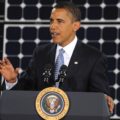




















The empirical evidence of our widening climate crisis is piling up faster than most of us can absorb the data. Bottom line: We have run out of time to negotiate a new middle ground or erect more “bridges” to an eventual green future. There can be no more delays. Sweeping action must be taken now. That is the shared view of the editorial board of the prestigious magazine, Scientific America, which recently joined the Covering Climate Now coalition and a growing list of other publications in jointly declaring that going forward, to emphasize the exigency of our situation, we will use the term “climate emergency” instead of “crisis,” because we damn well better start treating it like one if our society is to survive. Lead blogger Michael Buchsbaum reviews the situation.
Archives
Refuting the case for nuclear in the Middle East
Although the epicenter of the world’s petro- economy, countries in the Middle East understand the need to diversify away from fossil fuels. The need to transition is most strongly driven by broader regional priorities to reduce reliance on fossil fuels and grow the economy while also providing jobs for the increasing population of young people. At first glance, nuclear seems an apt tool to help the region meet these dual objectives. However, Middle Eastern countries would be better served by investing resources pegged to nuclear in the more promising solar and wind industries.
Who is leading in patents for the Energy Transition?
Scientists and politicians around the world agree that energy provision must be transformed from reliance on fossil fuels to renewables to combat global warming. But how can this happen while maintaining, or even improving, the international competitiveness of industrialized nations like Germany? Philip Emmerich and Dr. Manuel Baumann assess Germany’s status among leading OECD countries and China regarding energy transition technologies and patents.
Must Community Producers and Big Energy in Europe Clash?
Small-scale energy collectives want to play a prominent role in transitioning Europe’s energy supply to renewables. But the epic size of this challenge requires large companies with deep pockets and technology that can balance the grid. But do we really have to choose?
Plug-and-play power stations may be ‘steaming’ towards SA waters
South Africa is taking emergency steps to plug the holes in a leaky electricity grid that are causing another season of scheduled power outages. One of these involves hiring three plug-and-play ocean-based mobile power stations – so-called ‘powerships’. But local energy experts warn that these are risky, expensive, and that the money would be far better spent building utility scale solar and wind plants.
A Green Spring in Germany: a bellwether for the Autumn?
In March’s two state elections, no party lost more ground than Angela Merkel’s ruling CDU. Tarred by deepening scandal, a slow vaccination rollout and lockdown fatigue, its popularity is plummeting. Conversely, big gains in these early contests in the nation’s super-cycle election year — culminating with September’s federal parliament and chancellery vote — show that public opinion is turning decidedly Green. New polling shows that as approval for the CDU and their CSU sister party collapses, the Greens are pulling almost even with them — in some cases, even creeping slightly ahead. As spring comes to Germany, for the first time in both national and party history, a Green chancellorship seems possible. Energy Transition’s lead blogger, Michael Buchsbaum reviews the early stage of the race to succeed Merkel.
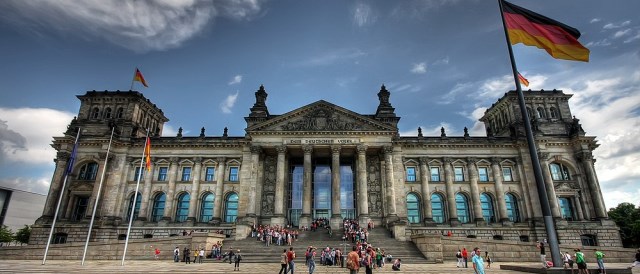 (Photo by Arne Bevaart, CC BY-NC-SA 2.0)
Read More
Why community renewable energy projects in Latin America is a pipe dream
Latin America has made bold pledges to boost renewable energies in the near future, but is failing to incorporate local communities along the way. This oversight will hamper its ability to foster sustainable change, argues Rebecca Bertram.
Fossil fuel’s killer air pollution: South Africa’s death toll
A year since the first COVID-19 cases appeared in South Africa, the disease has killed more than 50,000 people. A new study now shows that a similar number of South Africans die each year due to diseases caused by air pollution linked with the burning of fossil fuels.
A cry in the desert: Poland wakes up to climate debate
Too late, too slow, too stifled, but it has arrived: Climate policy is finally taking centre-stage in the public debate. Michał Olszewski reports from Poland.
The oil trap – Ecuador’s quest to clean up its energy mix
Climate change and international decarbonisation efforts led Ecuador to expand its renewable energy capacities. Given its significant potential for renewable energies, why is the nation unable to shake off its dependency on oil and move to a clean energy mix? Kathrin Meyer explores the factors at play in the South American country.