









































































For decades, the United States and Europe cast themselves as leaders of the global energy transition. Instead, China has seized that role through massive industrial policy and relentless investment in clean technology. The world’s largest emitter is now also the driving force behind the expansion of renewable energy. This shift is changing the economics – and the politics – of climate action.
Year: 2026
Is Trump making nuclear great again?
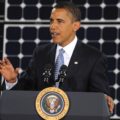
No recent US administration has gone as far as the current one in trying to put the US nuclear sector back on its feet again. President Trump has made nuclear energy a top priority and pursued an aggressive, hands-on programme to accelerate deployment of advanced reactors, build domestic fuel capability and reshape the institutions that license and oversee the industry. But all of this and billions in subsidies are unlikely to revive the moribund industry. Paul Hockenos reports.
Heat pumps: phases of transition differ strongly among countries in Europe
There are good reasons to wish for a future with more heat pumps: less fossil gas in the heating sector and therefore less methane leakage and less CO2 and NOx emissions; lower costs for households; and more energy independence for nations. Most of this works best with powering the heat pumps with a bigger share of renewables. In Europe, heat pumps boomed until 2023 and then dipped to 2020 or 2021 levels in 2024. Starting points and paces of change in the heat pump market differ wildly. Let’s have a virtual trip to Sweden, France and Germany and find out why those timelines are so different.
The EU can do: The Emissions Trading System is a slam dunk
With all of the grim news coming from the US and other places where climate protection is on a backfoot, it’s heartening to cast a glance at the EU’s Emissions Trading System, or EU ETS. Once considered a dud, this carbon market is now the EU’s most potent weapon in reducing greenhouse gas emissions. Paul Hockenos reports.
Energy: our power craves water
Water and energy are deeply interconnected: producing energy relies on water, while treating water consumes energy. Mining raw materials such as lithium and copper needs lots of water, also in arid regions. The solutions: recycling, water-saving technologies, and switching to renewable energy sources such as wind and solar.